
Your Guide to Installing a Home EV Charger in Winnipeg
Bringing home a new electric vehicle is an exciting step towards a more sustainable and cost-effective way of driving. The convenience of waking up to a fully charged car every morning is a game-changer. But before you can enjoy effortless home charging, there's one crucial step: installing a dedicated EV charging station. For many homeowners in Winnipeg, this process can seem daunting, filled with questions about electrical capacity, costs, and safety codes.
At Highland Electric, we specialize in making this transition seamless and safe. We understand the unique electrical needs of homes in our community. This guide will walk you through the key considerations for planning your residential EV charger installation, ensuring your setup is efficient, reliable, and professionally handled from start to finish.
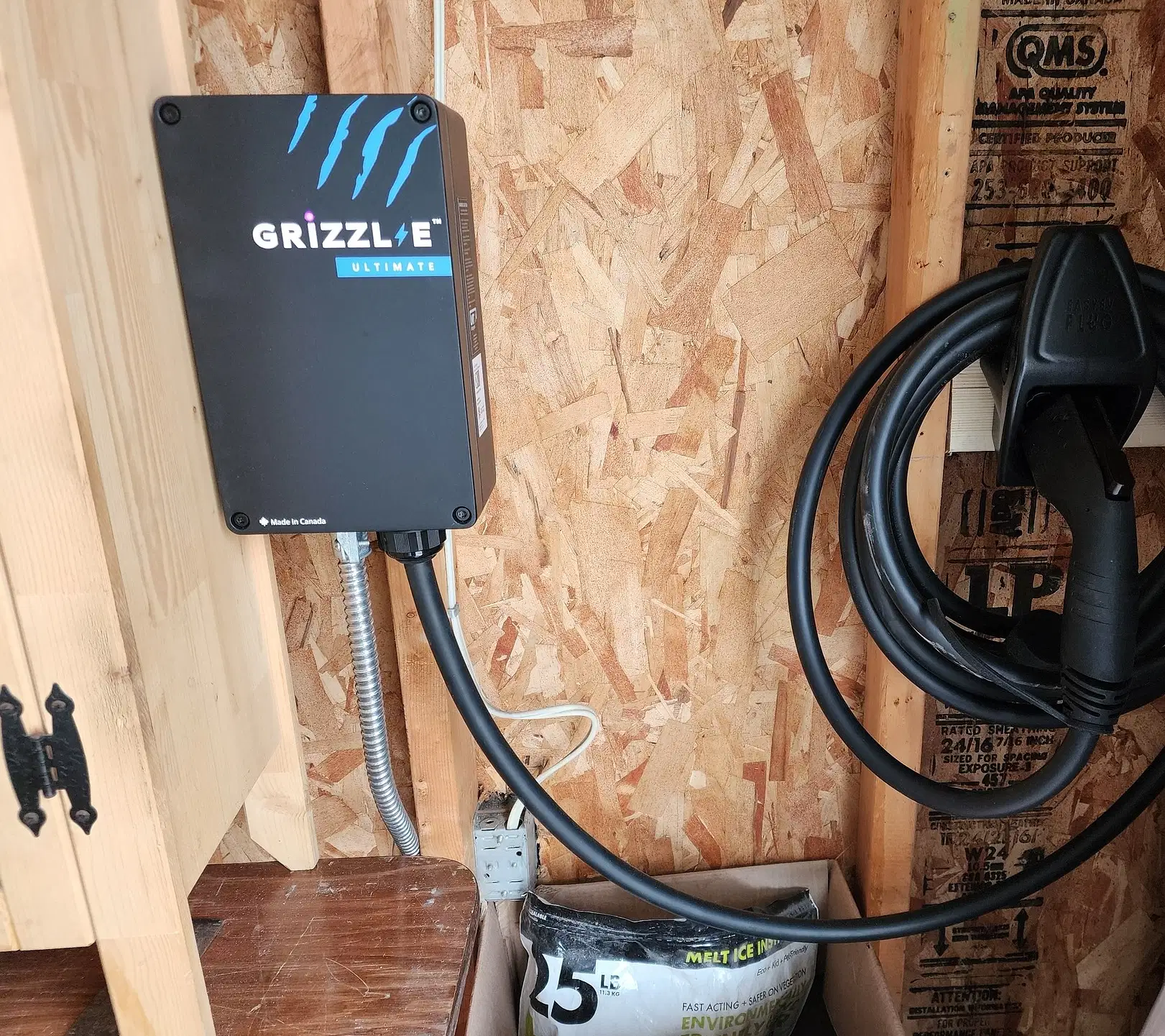
Step 1: Understanding Your Charging Needs (Level 1 vs. Level 2)
When you purchase an EV, it typically comes with a Level 1 charger. This charger plugs into a standard 120-volt wall outlet, the same kind you use for a lamp or a toaster. While simple, it's also very slow, adding only about 6-8 kilometers of range per hour of charging. For most drivers, this isn't practical for daily use.
This is why the vast majority of EV owners opt for a Level 2 charger. These units operate on 240 volts—similar to an electric stove or dryer—and can charge your vehicle significantly faster, typically adding 40-60 kilometers of range per hour. This allows for a full charge overnight, ensuring your car is always ready for your daily commute. A Level 2 charger requires a dedicated circuit and professional installation, which is a core part of our EV Charging solutions. Choosing the right charger depends on your driving habits, your vehicle's battery size, and your daily needs, which is the first thing we'll help you determine.
Step 2: Assessing Your Home's Electrical System
Before any installation can begin, a qualified electrician must assess your home's current electrical infrastructure. This is the most critical step for ensuring a safe and reliable installation. Here’s what we look at:
-
Electrical Panel Capacity: Your main electrical panel (or breaker box) is the heart of your home's electrical system. A Level 2 charger requires a new, dedicated 240-volt circuit, which can draw between 30 and 50 amps of continuous power. We'll perform a load calculation to determine if your current panel has enough capacity. Many older homes in The Peg have 100-amp service, which can sometimes be tight. If needed, we may recommend a panel upgrade to safely accommodate the new load.
-
Wiring and Location: We'll help you choose the best location for your charger—whether it's inside your garage or on an exterior wall for driveway or backlane access. The location determines the length of the new wiring needed to connect to the panel. We ensure all wiring is correctly sized and installed to handle the electrical load and withstand our tough Manitoba winters, preventing any safety hazards.
This thorough assessment is a fundamental part of our residential electrical services and guarantees your new charger integrates perfectly with your home's system.
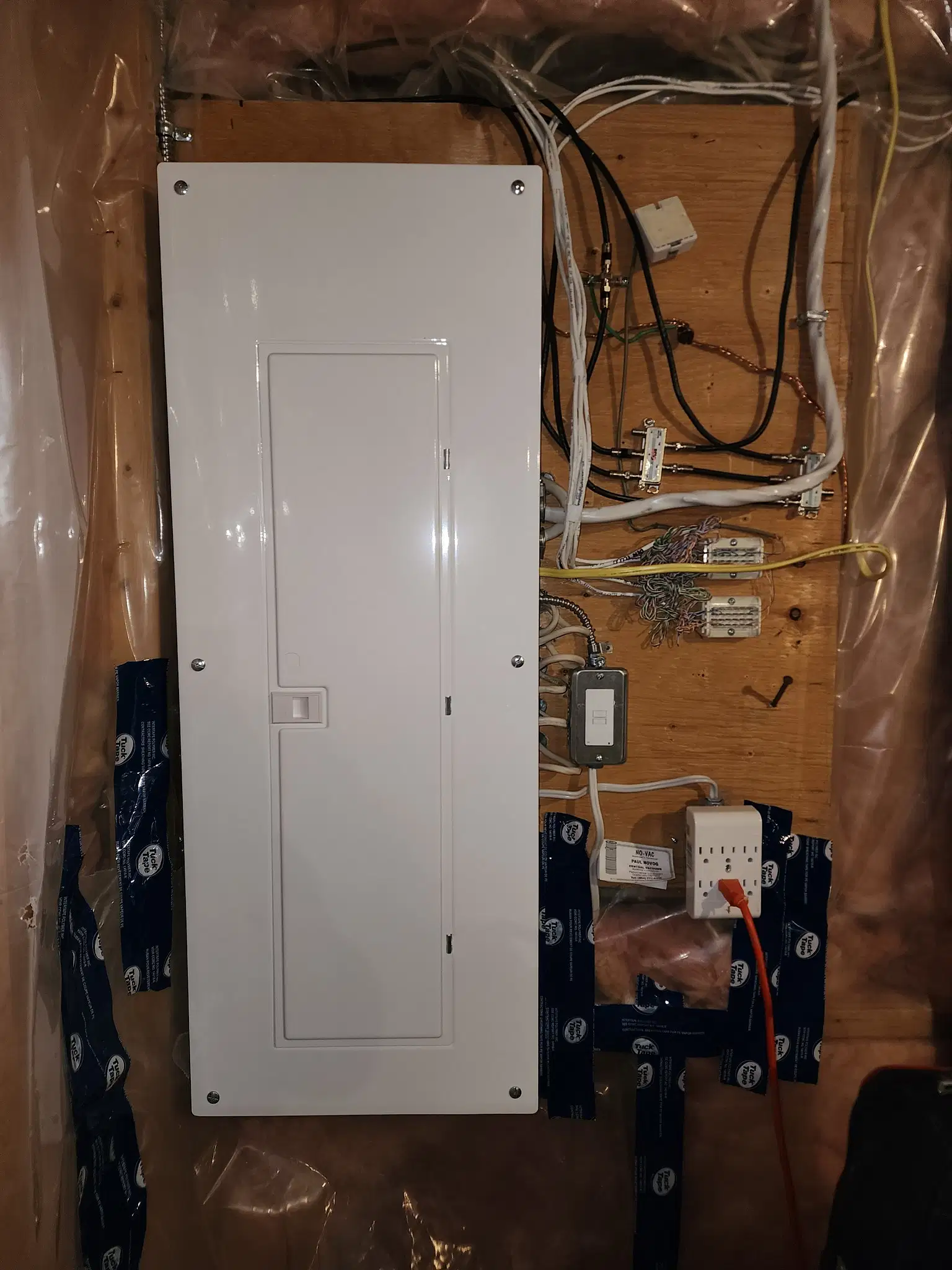
Step 3: The Professional Installation Process: Permits and Code Compliance
Installing an EV charger is not a DIY project. It involves high-voltage electricity and must be done correctly to protect your home, your vehicle, and your family. In Winnipeg, a licensed electrical contractor is required, and an electrical permit must be pulled for most Level 2 charger installations. This ensures the work is performed to the strict standards of the Canadian Electrical Code (CEC) and is inspected for safety and compliance.
At Highland Electric, our process is built on transparency and professionalism:
- Consultation: We start with a discovery call to understand your needs and vehicle specifications.
- Site Assessment: Our licensed electricians visit your home to perform the electrical system evaluation.
- Clear Quote: We provide a detailed, upfront quote outlining all the work and costs involved.
- Professional Work: We handle the permit process, and our certified electricians complete the installation with high-quality materials and meticulous workmanship.
Trusting a professional ensures all electrical installations are done right the first time, giving you complete peace of mind.
Step 4: Future-Proofing and Maximizing Value
Installing an EV charger is also an opportunity to think about your home's overall energy consumption. While the charger itself is a significant electrical addition, you can offset its impact by improving your home's overall efficiency.
Consider bundling your installation with other energy efficiency upgrades, such as switching to LED lighting. This can help lower your overall Hydro bill and free up capacity on your electrical panel. It's also wise to consider any future plans. Might you get a second EV down the road? Planning for future needs now can save you money on additional electrical work later.
Finally, be sure to look into available rebates. Both federal and provincial governments sometimes offer incentives for purchasing and installing EV chargers. A professional electrician can ensure your installation meets the criteria for any available programs, maximizing your investment.
Ready to Power Up Your Drive?
Planning for a home EV charger installation doesn't have to be complicated. By understanding your needs, assessing your home's electrical system, and working with a trusted professional, you can ensure a safe, reliable, and convenient charging solution that will serve you for years to come.
If you're ready to take the next step towards home charging in Winnipeg, the team at Highland Electric is here to help. We have the expertise to guide you through every stage of the process, from initial consultation to final inspection. Contact us today to schedule your assessment and get a free quote for your EV charger installation.